 Country outlines
Worldle
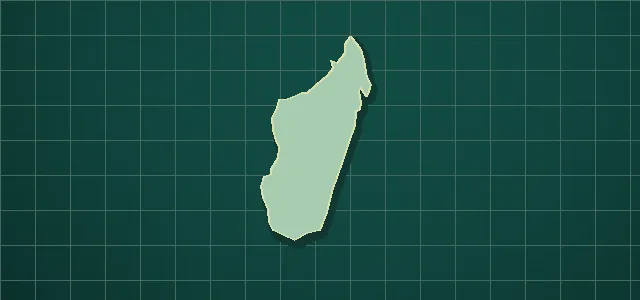
Identify a country or territory from its silhouette, then use distance and direction to narrow down the answer.
Daily + practiceThe daily geography game guide
Guess a country, trace a route across borders, or drop a pin on the world map. Find a geography game worth coming back to.
Four ways to put your mental map to the test.
Country outlinesIdentify a country or territory from its silhouette, then use distance and direction to narrow down the answer.
Daily + practice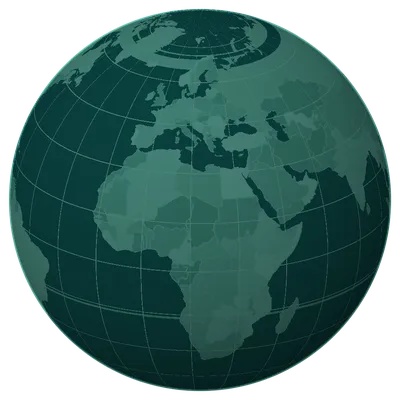 Distance clues
Name countries and follow warmer colors across the globe until you find the mystery country.
Daily + practice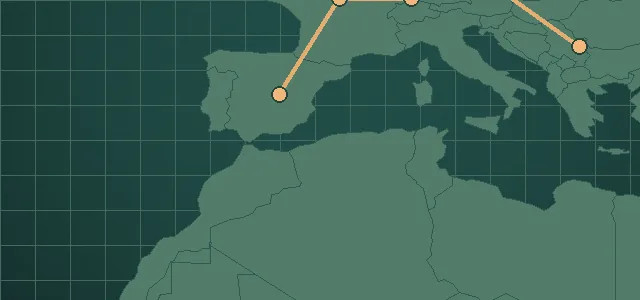 Border routes
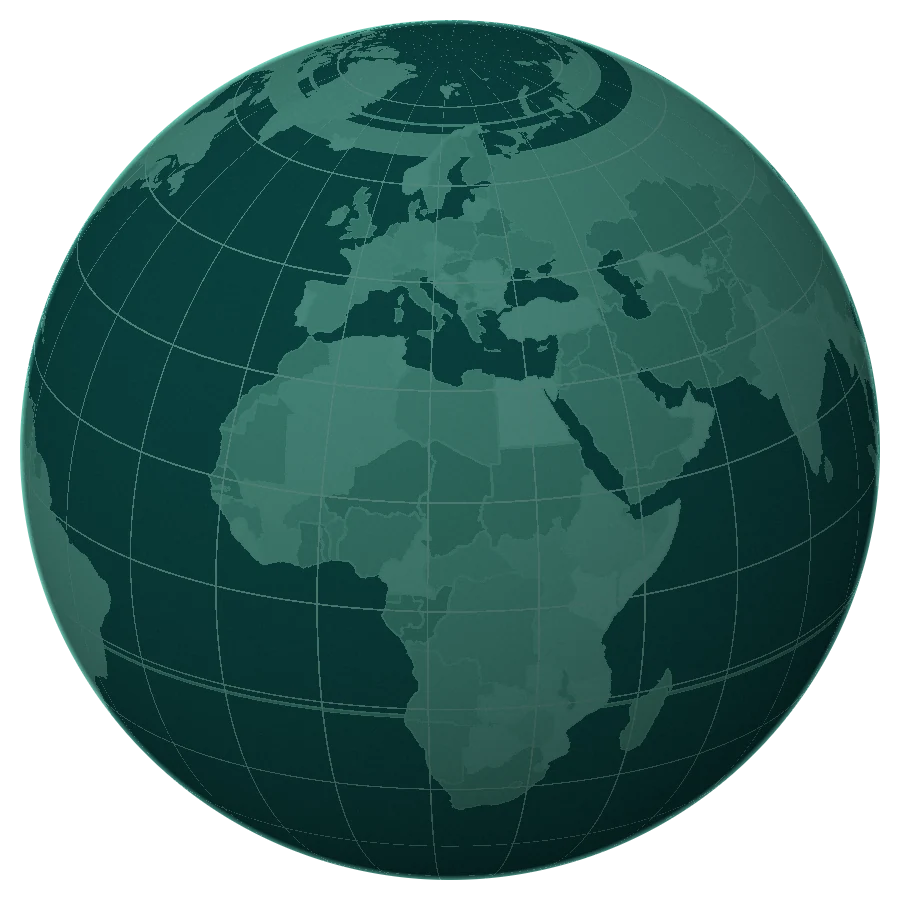
Connect two countries by naming the countries between them and crossing as few borders as you can.
Daily + practice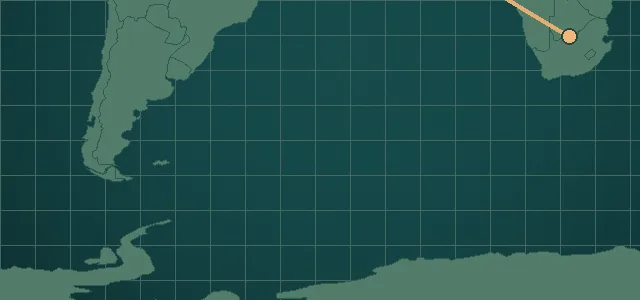 Map pins
Drop five pins on countries that fit the day’s clues. Rarer correct answers take you farther.
Daily + practiceCompare games by clues, price, and ways to play.
Start with the kind of clue you enjoy. An outline puzzle asks you to recognize a shape. A distance puzzle asks you to work out where your guesses point. A border puzzle rewards knowing which countries touch. And a map-pin quiz can give you several right answers to the same question. The four games below all give you a daily challenge, but the way you get to an answer is different in each one.
Identify the country or territory in six guesses. After a miss, Worldle shows the distance and direction from your guess to the answer. Begin with the strongest feature you can see, such as a hooked peninsula or a chain of islands. If you have no idea where to start, choose a country in a plausible region and use the arrow to make your second guess. It’s a good first pick if you like visual puzzles and want to get better at recognizing outlines.
Your first country guess earns a color. Warmer colors mean you’re closer to the mystery country. If a guess in Europe comes back cold, try a country well outside that area so the next clue tells you something new. Once you get a hot result, look at nearby countries and compare their colors. Globle has no fixed guess limit for the daily round, so it’s a good place to learn by testing a hunch.
You get a start and a destination. The task is to name the countries between them while crossing as few borders as possible. For example, a route from Portugal to Germany can go through Spain and France. When the path seems unclear, name the neighbors of your destination first, then look for the earliest point where you can join that chain. Choose Travle if you’d rather solve a route than name a single hidden place.
Read five prompts and drop one pin per prompt. For a clue about the Baltic coast, Sweden and Lithuania are both valid places to think of. In the official game, rarer correct answers carry you farther. Make sure your country fits the clue before choosing it for rarity. The results at camp show other choices and give you a reason to look up the places you missed. Try Farflung if you like geography trivia with a map in front of you.
A short daily geography game gives you one place, route, or clue to remember. If you confused two coastlines, open a map afterward and find the bay or island that would have settled the guess. If a route went wrong, look up the border you thought existed. Keep that one detail in mind for tomorrow’s puzzle. One specific correction is easier to recall than a list of country names.
The shared daily puzzle also gives friends a round to compare. Talk through the clue that changed your mind, or share your result after everyone finishes. If you’d rather keep playing, use a practice or unlimited mode and come back to the daily round when it resets.
You can also revisit one region through two games. After solving a country in Worldle, find it on a map and name the countries around it. The next time Travle sends you through that region, see which of those borders you remember. Connecting a shape to its neighbors gives you two ways to recall the same place.
Try Worldle’s practice round. Say which feature you recognized before you guess. After a miss, use the distance and direction to rule out a region, then look at the shape again. Finish by finding the country on a labeled map.
Try Globle’s hot-and-cold practice. Start with two countries far enough apart to give you different clues. Follow the warmer result, then look at nearby countries before picking a third guess. Notice which jump narrowed the map the most.
Try Travle if you want to connect places, or try Farflung if you’d rather work from trivia clues. Use the practice feedback to see whether you missed a border, misread a clue, or simply picked a common answer.
It’s a geography puzzle that gives players a new shared challenge on a regular daily schedule. The answer might be a country from an outline, a destination on a globe, or a route across borders. Some games also offer separate practice rounds you can replay.
Worldle asks for a country or territory from its silhouette and gives distance and direction after a miss. Wordle asks for a five-letter word and shows which letters are correct or misplaced. If you like the format of a shared puzzle, see our games like Wordle comparison.
Worldle, Globle, Travle, and Farflung all offer free daily browser play. Check each guide for practice options and paid extras. The sample rounds on Terraday are free and open directly on the game guides.
Look for practice in Globle or Travle if you want extra rounds. For repeatable street-view play, the GeoGuessr alternatives comparison includes OpenGuessr and WorldGuessr. Unlimited rounds and unlimited guesses within a single daily puzzle are different features.
Worldle changes its official puzzle at local midnight. Terraday dates its Worldle hints and answers in Singapore time and publishes each entry after checking the official puzzle data. If the latest entry is still pending, open the official game for the current round.
Yes. On the Worldle answer page, open the continent, neighbors, and capital clues separately. Try another guess after each clue. The solution and past answers are behind their own reveal controls.